
Month closed ✓
320 accepted hours, team of 8
Payment to business account
+12,040.00 zł received
Sample notifications. The amount depends on accepted hours
Turn your team's work into additional revenue
Earn income from your employees recording video of how they do their work.
Your team works as usual. Your business gets paid.
Nothing has to change: same work, same place, same pace. An employee puts on a head strap with a phone, and the rest happens on its own.
Send a request- 01
The team records its work
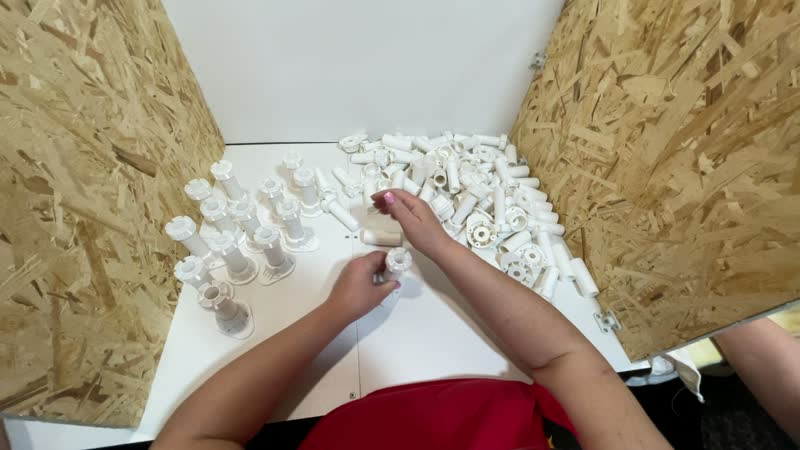
An employee puts on a light head strap with their own phone and works as usual. Both hands are free, and only hands and the workspace are in the frame.
During work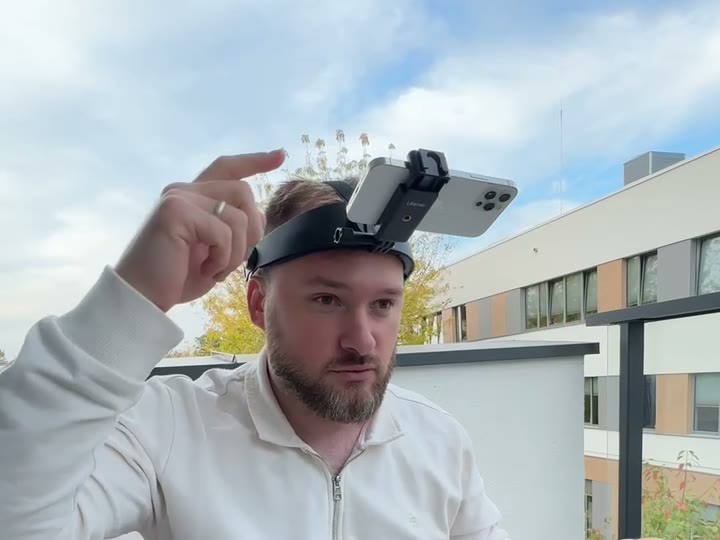
- Hands only, no sound
- Participation is voluntary
- 02
Recordings are checked
The app uploads recordings by itself. The system rates the quality and counts the accepted hours. Faces are blurred, sound is not recorded.
Automatic
- Faces are blurred
- Contract and invoice
- 03
Your business gets paid
The technology partner pays your business up to 50 zł net for each employee’s first 25 accepted hours per month and 17 zł for every hour after that, under a contract and by invoice. How you share it with the team is up to you.
By invoiceMonthly estimate≈ 6 505zł
New participants3 employees started recording today+3Check passedHours accepted this month140 hPayment for the monthFor 140 accepted hours≈ 6 505 złBased on 20 working days, 70% video quality, 50 zł for the first 25 accepted hours per person per month and 17 zł beyond that.
This is the kind of work that gets filmed.
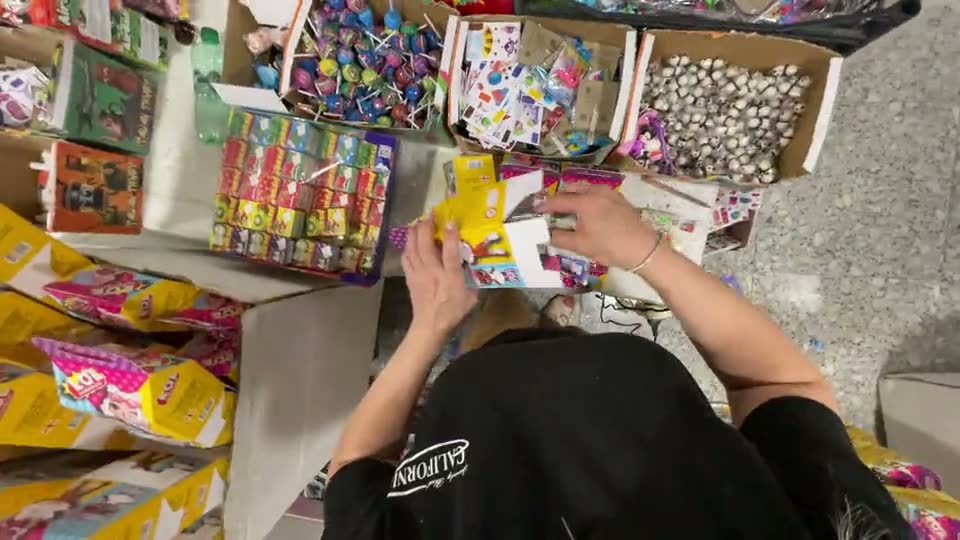
The head-mounted camera sees only hands and the workspace. Your team works at its usual pace.
 Warehouse & logisticsSorting boxes on the line
 FulfilmentPicking and packing orders
 ShopReceiving and shelving stock
 Produce & groceriesPrep and packing
 Pastry shopFilling and decorating pastries
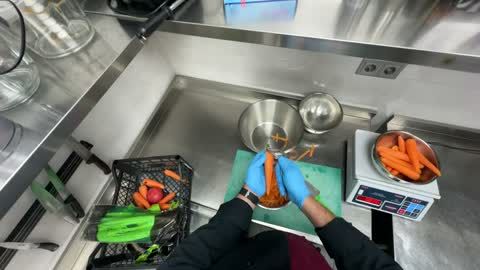 KitchenChopping and prep
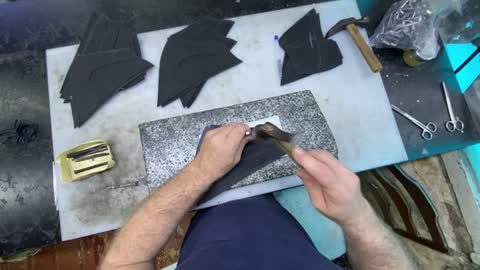 WorkshopCutting and working materials
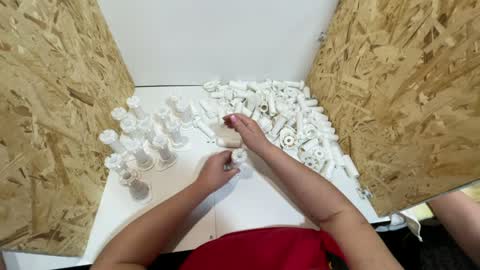 ManufacturingSmall parts assembly
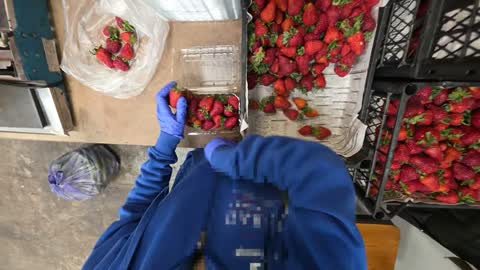 AgricultureSorting berries
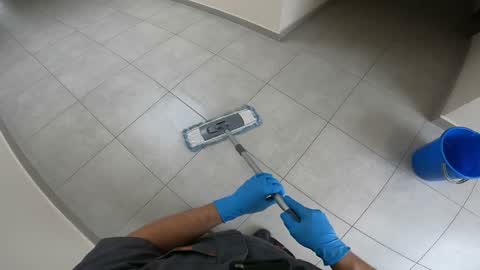 CleaningMopping floors
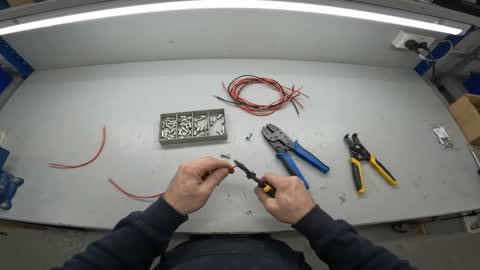 Electrical assemblyAssembling connectors and wires
 RenovationWall plastering
Does your team work with their hands? Then it most likely qualifies.
Pick your industry.
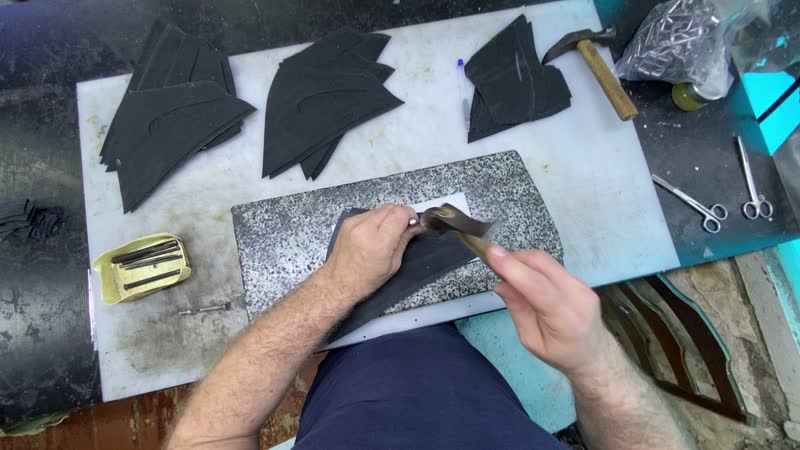
Examples of tasks that count (8)
- line assembly
- hand tools
- parts quality inspection
- welding and soldering
- cutting wood and metal
- marking and measuring
- sanding and deburring
- glue, sealant, coatings
Honestly: what doesn't count
- raw meat and fish
- screens in frame: phone, monitor, till
- sewing and crafts
- writing and drawing
- personal services: haircuts, manicures
- breaks and talking without hand activity
If your work includes any of these, your other processes will still qualify. On a call, we'll work out which ones give you more accepted hours.
What's in it for you and your team.
A way to keep your team
Good people get poached for a couple of złoty more an hour, and your margin won't let you raise everyone's rate. Now your business has a separate income stream to pay your team extra without cutting into your profit. How you split it is up to you.
Your team earns more
By sharing part of the revenue with your team, you give people a chance to earn more for the same work.
A buffer for slow months
As long as your team works with their hands, the recordings bring money into the business. Even when orders are down and clients are slow to pay.
You earn more
Your business gains another income stream, and you don't have to work more, invest or raise prices.
See how a recording becomes data.
Robots need thousands of hours of real hands-on work, so tech companies buy videos of that work. Not staged, but the work your team already does every day.
Each video is turned into anonymous data on hand movements. This is what it looks like.
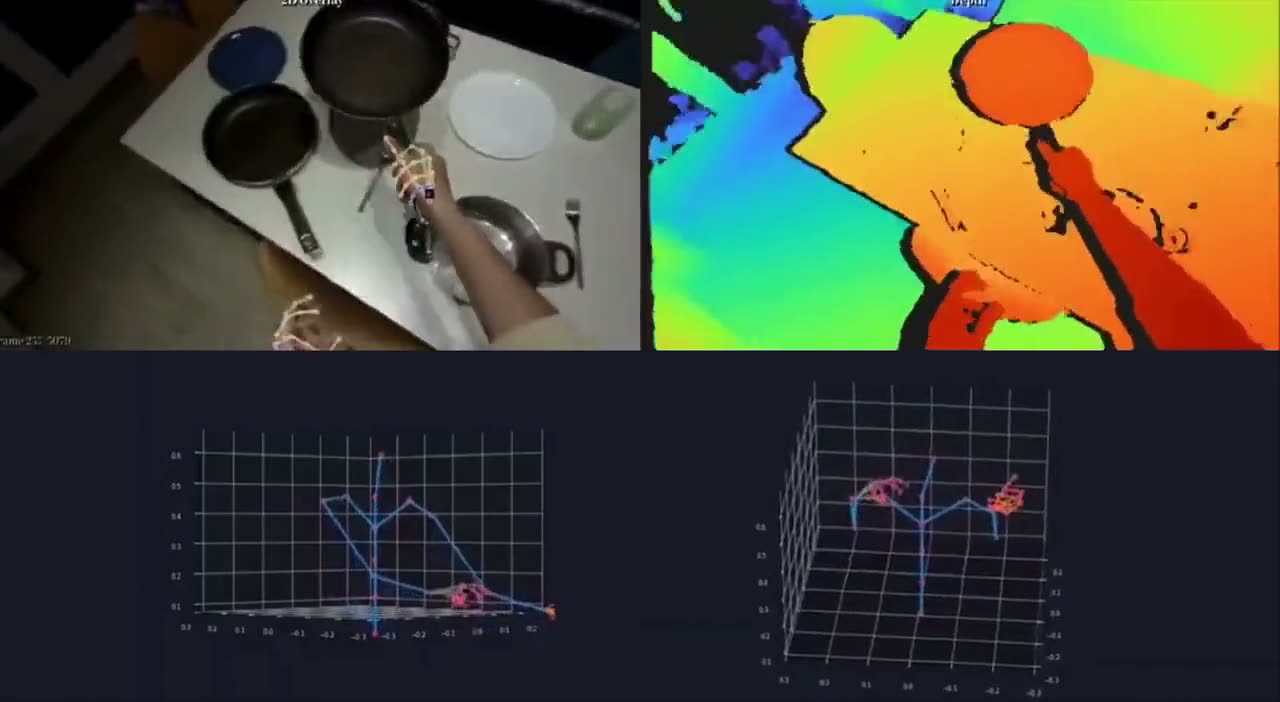
From the first conversation to your first invoice.
- 15 minutes
Call and estimate
You tell us what your team does. We check whether the work qualifies and run the numbers for your business.
- 3–5 days
Signing the contract
You review the documents and sign the contract with the technology partner. Before signing, you can show them to your lawyer and accountant.
- 1–2 days
Your team films
Head strap, phone, both hands free. You can start with two or three people. We help set everything up and explain it to the team.
- 7 days after start
Your business gets paid
The system reviews the recordings, and your business invoices for the accepted hours. In the first month, payouts may be weekly, then monthly.
You only see hands.
This isn't employee surveillance. The owner has no access to the recordings.

No sound
Sound is not recorded unless stated otherwise.
Faces are blurred
Automatically, including reflections. If it doesn't work, the clip is deleted.
Breaks are cut out
Lunch, downtime and conversations are removed before processing.
No one watches
Recordings are only used to train robots. Nobody uses them to assess employees’ work.
Questions
Is this legal?
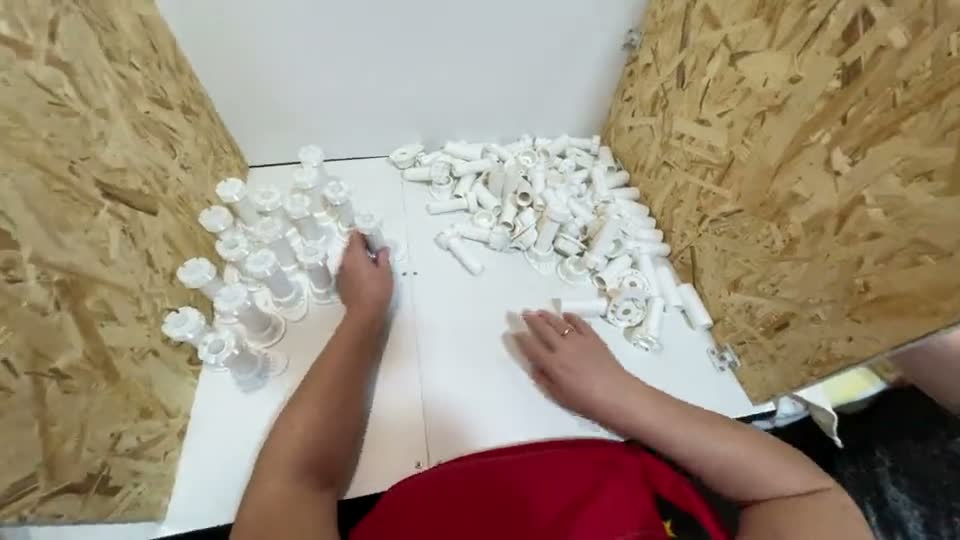
Yes. Your business signs a B2B contract directly with the technology partner and is paid against invoices.
- 01Direct contract
It is signed by your business and the technology partner.
- 02We're not a staffing agency
We don't take anyone on or look for people. Your business works with its own team as usual.
- 03Participation is voluntary
Each employee decides for themselves whether to film and confirms their consent in the app.
- 04Show it to your lawyer
You'll get the contract before signing. Show it to your lawyer and accountant.
- 05Which documents
A contract form and the general terms of cooperation. Before the start, both sides confirm a project card by e-mail: where filming happens and what is filmed.
What's in the frame and who sees it?
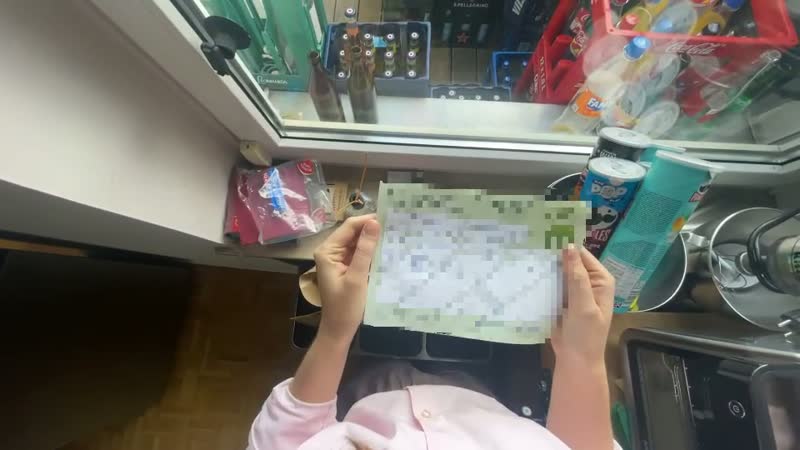
Only hands and the workspace are in frame. The videos are used to train robots, not to assess your staff's performance.
- 01No sound
Recording has no sound. Conversations don't end up in the data.
- 02Faces are blurred
Faces, documents and screens in frame are blurred automatically.
- 03Breaks don't count
Lunch, downtime and talking without hand activity don't go into accepted hours.
- 04Where filming is off-limits
Outsiders, changing rooms, toilets, documents and screens. This is settled in advance, in the recording rules.
- 05Consent and GDPR
Each employee confirms their consent in the app. Data is processed in line with GDPR.
- 06Where recordings go
Straight to the partner’s secure servers. Your business has no access to them and keeps no copies, and clients receive only anonymised data.
How do I book the income and what do I tell my accountant?

It's ordinary invoiced business income. Your accountant books it as a service.
- 01Invoice from your business
Your business issues it to the technology partner for the accepted hours. Your accountant books it as a service to a foreign client.
- 02How to share with your team
The owner decides: a bonus, extra pay or keep it in the business. It's usually made official: a separate clause in the umowa zlecenia (a Polish civil-law contract) or an annex to the employment contract.
- 03Documents in advance
You'll get the contract and a summary for your accountant and lawyer before signing.
- 04Taxes
The calculator gives a rough picture for Poland. Your accountant will do the exact calculation.
- 05Once a month
Together with the invoice, your business sends a short confirmation by e-mail: people take part voluntarily and legally, and they have been paid. The partner sends a report on how many hours were recorded.
How much does it really come to, and how is it calculated?
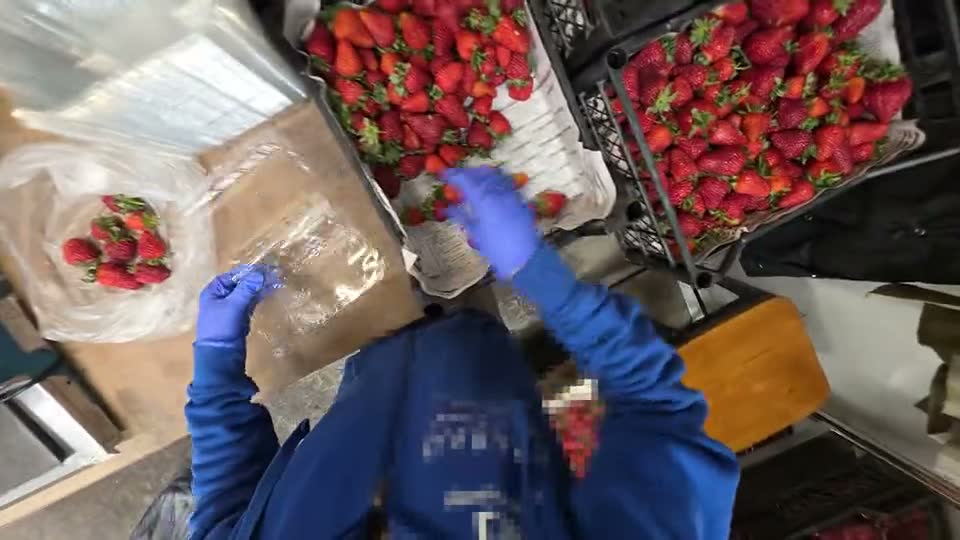
Up to 50 zł net for each employee’s first 25 accepted hours per month, 17 zł for every hour after that. Accepted hour = recording time × quality factor, so the result depends on video quality.
- 01An honest example
10 hours of recording at 70% quality give 7 accepted hours. Not every hour filmed gets paid.
- 02What improves quality
Good lighting, both hands in frame, real work at your own pace, no screens in frame.
- 03What doesn't count
Breaks, talking without hand activity and recordings that break the rules.
- 04When the money arrives
In the first month, payouts may be weekly, then monthly, after the quality check.
Accepted hour = recording time × video quality.
Not every hour filmed gets paid. Quality depends on lighting, hands in frame and what exactly is being filmed. We'll show you what improves it at the start.
This is an estimate, not a guarantee of income. The rate and terms are set by the technology partner.
How is a video checked to see if it qualifies?
After recording, an AI system analyses the video by itself and gives it a quality score. On the recording timeline it marks with dots the moments that lowered the quality: you can tap each dot to see what went wrong.
- 01Hands out of frame
The recording was running, but no hands were in the frame.
- 02Hands doing nothing
Hands are in the frame, but it is unclear what they are doing.
- 03Too dark
There is not enough light, so the system cannot see the work well.
- 04Short unclear actions
The system could not tell what was being done or what the result was. This happens less often than the first three reasons.
The picture shows an example: of almost 30 minutes recorded, 19 were accepted.
Is there a minimum number of hours or any penalties?

No. You are paid only for accepted hours: fewer hours simply means a smaller invoice. No penalties or extra charges.
- 01First month: pilot
It continues only if both sides agree. Otherwise the contract simply ends.
- 02After that: open-ended contract
You can end it with 2 months’ notice, effective at the end of a month.
- 03The only penalty
For disclosing confidential information. The terms contain no other penalties.
How should I pay employees for recording?

For the time recorded or as a fixed amount. The quality score of recordings must not be used to calculate an individual’s pay or to assess their work.
- 01Bonus per recorded hour
Under your internal bonus rules. The rate is set using the average share of accepted hours at your location.
- 02A clause in the contract
A separate rate per recorded hour in the employee’s contract or in an annex.
- 03A fixed amount
For example, for every full 20 hours of recording per week or per month.
- 04Where the numbers come from
A monthly report shows how much each employee recorded. No quality scores per person.
Templates for bonus rules, an agreement and a contract annex are available on request.
What if my people don't want to?

Participation is voluntary, nobody is forced. The question usually goes away once the team sees what it looks like.
- 01The work doesn't change
A light head strap, both hands free. Same pace, same tasks.
- 02It's not monitoring
The recordings are for teaching robots. Nobody uses them to assess people's work.
- 03Something to share
The income goes to the business. You can pass part of it to the team as a bonus: exactly how is up to you.
- 04We'll explain it ourselves
We'll help you present it to the team, on site or by video call. You can start with two or three people.
How much can an employee record per day?

As much as they want: there is no daily limit.
- 01What counts
Only hours that pass the quality check. Breaks and talking without hands-on work do not count.
- 02Voluntary
Nobody has to record a set number of hours, and saying no has no consequences.
Will robots replace my people later?
Robots take on the heavy, repetitive work. And it's people who teach them.
- 01A master stays a master
Machines still can't do what the hands of a baker, an assembler or a packer do. They won't learn it without people.
- 02How we see it
Machines do the routine, and people get time for what needs a head and experience.
What data do robots need to learn?
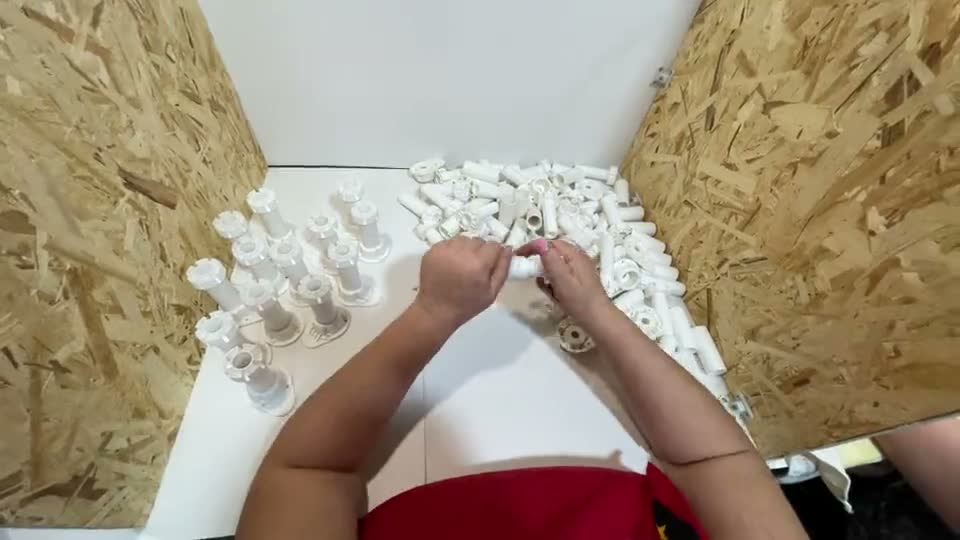
First-person videos of real manual work. Not staged, just what your team already does every day.
- 01First-person video
The head-mounted camera films the work area and hands: the robot sees the task through a master's eyes.
- 02Hand movements
The videos yield data on how hands and fingers move during work.
- 03What's not in the data
Sound and conversations. Faces in frame are blurred.
What do you need to start?
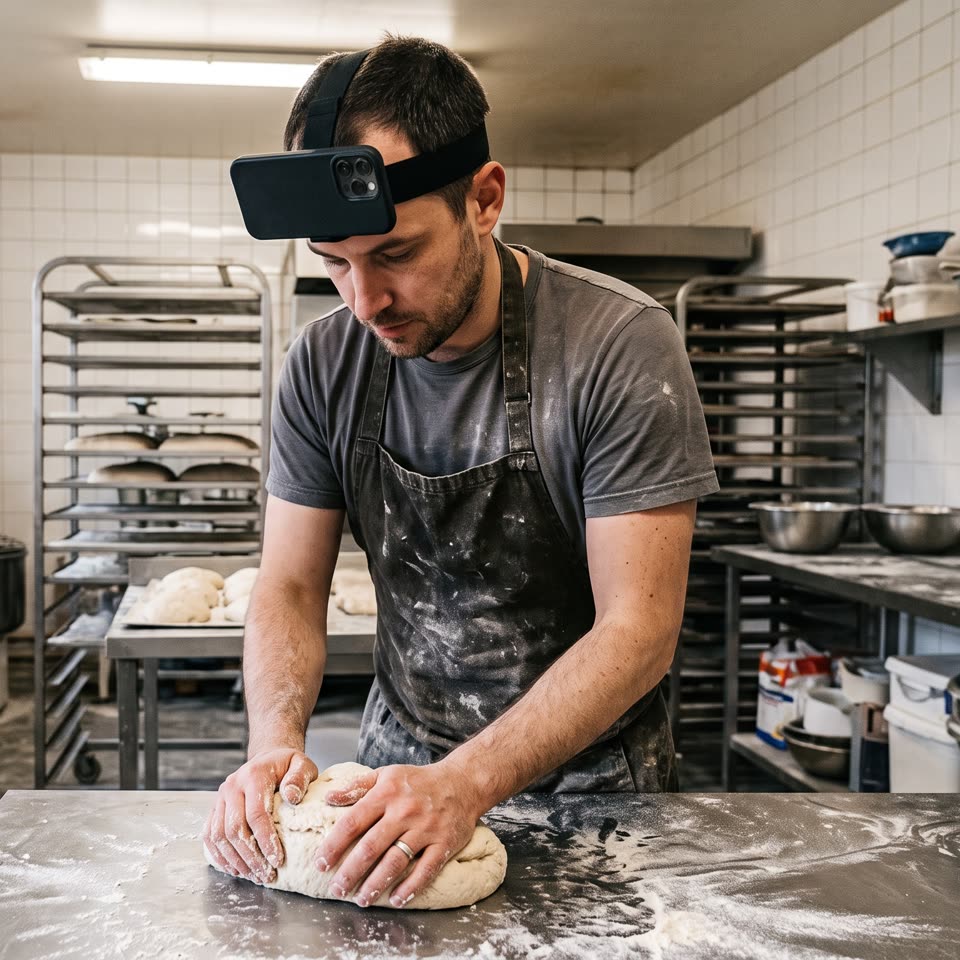
A smartphone and a head strap. Setup takes a few minutes per person.
- 01Phone
iPhone 12 or newer, or a modern Android. We'll check your team's models before you start.
- 02Head strap
Goes on your forehead, with the camera facing your hands. Both hands stay free.
- 03Lighting
Daylight or ordinary ceiling lights are enough.
- 04First steps
We'll show you how to start recording and what counts. We stay in touch after launch.
Do you send a special camera?
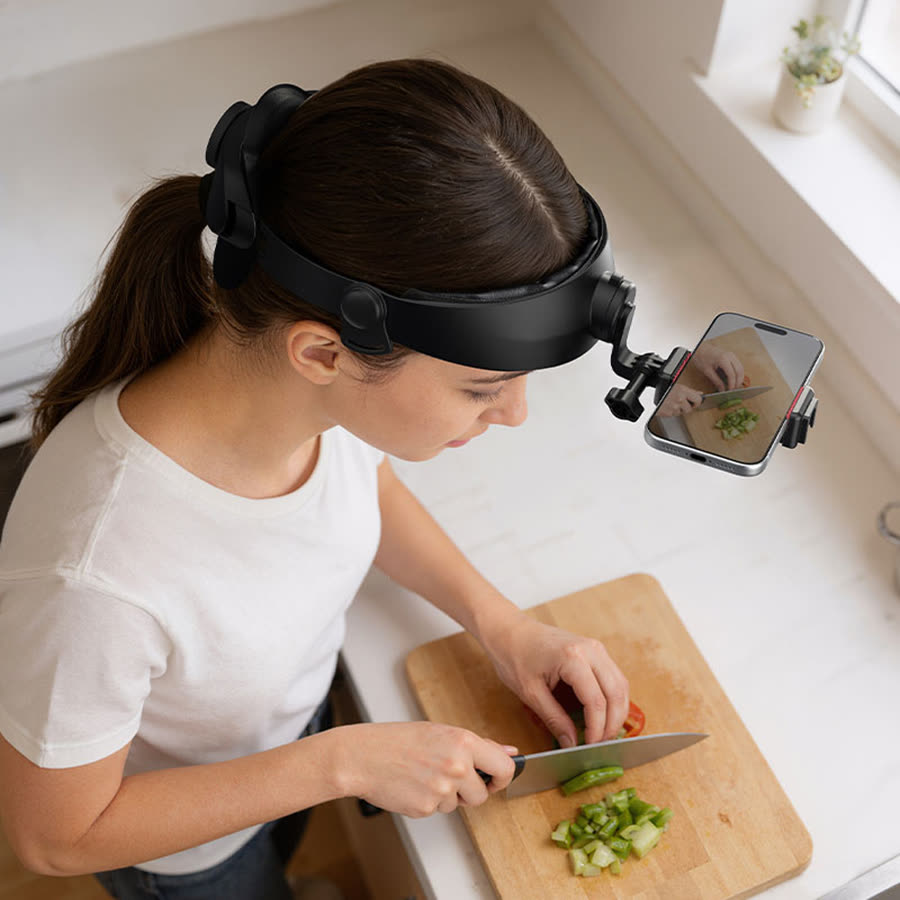
No. The camera is the employee’s own smartphone. The only extra item is a head strap.
- 01Head straps
You order the head straps, and their cost is refunded to you after 10 accepted hours.
- 02Before the first recording
The employee installs the app, signs in with your company code and confirms consent and documents in the app.
Which phones can you record on?
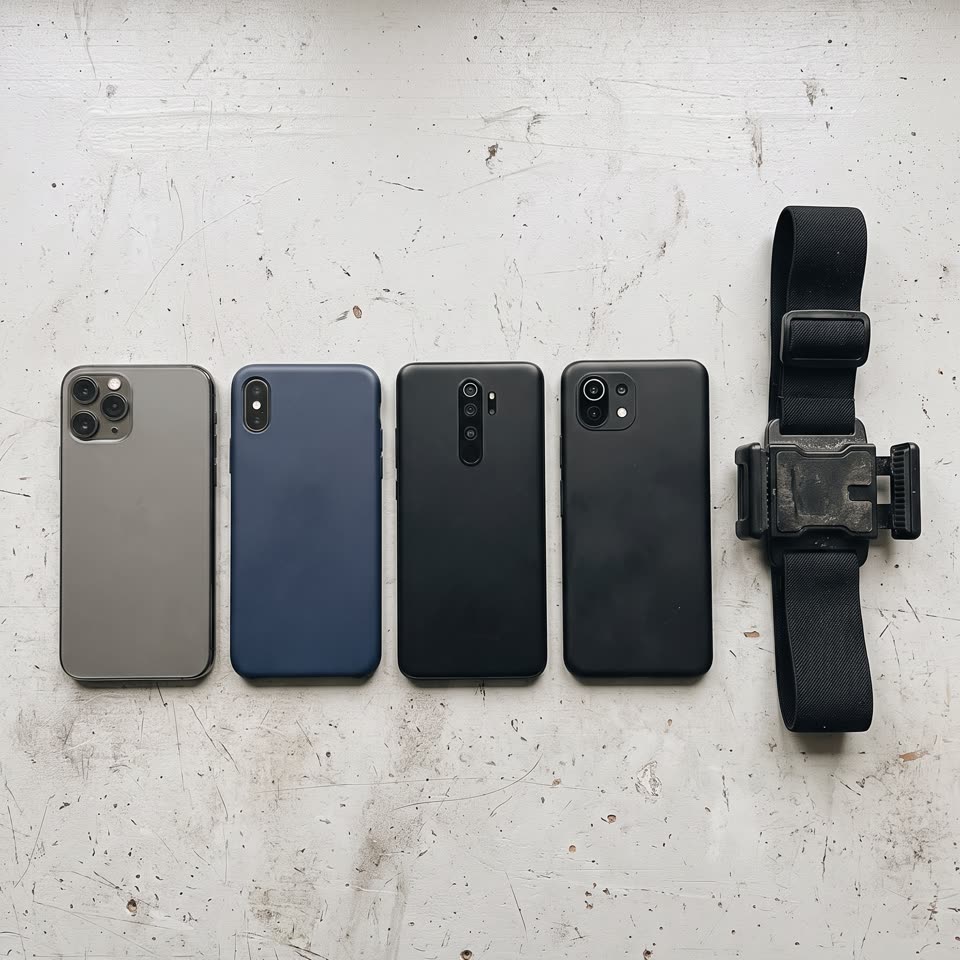
You need a smartphone with a wide-angle camera, with a field of view of 100° or more. All iPhones from the 12 onwards and about 70 Android models work.
- 01iPhone
All models from iPhone 12 onwards.
- 02Samsung
Galaxy S10–S26, Note 10 and Note 20, Z Flip 3 and 5–7, Z Fold 4–7, A16, A23, A33, A51–A57, A72, M23, M31, XCover Pro.
- 03Google and others
Pixel 7 Pro, 7a, 8, 8 Pro, 8a, 9, 9 Pro, 9 Pro XL, 9a, 10, 10 Pro. Motorola Razr Ultra (2025).
- 04Not on the list?
The app checks the camera itself on first launch. We'll check your team's phone models before you start.
Does the phone need free storage?
Usually not: recording goes straight into the app and is uploaded over the internet right away.
- 01No internet
There is an offline mode. Then you need about 20 GB of free storage for 6–8 hours of recording.
- 02Once you are back online
Recordings upload automatically as soon as the phone is connected again.
Can someone record at home or without a company?
Yes. A person can also record as a private individual through the app. The contract and payment are then directly between them and the partner.
- 01Rate for individuals
Up to 12 zł per accepted hour when recording at home and up to 37 zł for regular work outside the home.
- 02Your employee
Can additionally record at home. They handle those recordings themselves, separately from your business. The same recordings are never paid twice.
- 03Someone who is not on staff
Wants to record at your place but is not your employee? Send us their name and e-mail: the partner will sign a contract with them directly, with no obligations for your business.
- 04Taxes
Private individuals pay them themselves. Pupils and students under 26 pay no tax or contributions within the statutory limits.
Who are you, and why go through you?
UMELA Labs is a partner programme. We help businesses join the collection of videos used to train robots.
- 01The money doesn't go through us
The contract and payments go directly between your business and the technology partner.
- 02What we do
We explain, run the numbers for your business, help with paperwork and setup, and stay in touch.
- 03In your language
We speak Russian, Ukrainian, Polish and English. We understand how your business works and will help you roll this out safely, profitably and smoothly.
Let's run the numbers for your business.
A 15-minute call: we'll check whether your team's work qualifies and estimate what it could bring in.
Send a requestKnow a business that could use this? Send them this page or message us: we have a partner programme.